All Categories
Featured
How Smart Canopy Management Protects Commercial Assets
Rapid Tree Care Services Across Southern California

Modernizing Existing Commercial Irrigation Controls

The Proven Guide to Industrial Irrigation Upkeep
Table of Contents
Consider installing a drip irrigation system rather. Leak watering provides water directly to the base of plants through a network of pipes and emitters. This targeted approach lowers water wastage and assists your plants get the exact amount of hydration they require. Mulch is a gardener's buddy when it comes to water preservation.
Commercial Irrigation Design SupportMulch function as an insulator, preventing water from vaporizing too rapidly in the sun. It also suppresses weed growth, minimizing competition for water resources. Choose natural mulch like wood chips or straw for the added advantage of enhancing soil quality as it disintegrates. Maximize rainy days by installing rain barrels to collect and store rainwater.
It's an environment-friendly and cost-effective way to reduce your reliance on traditional water sources and lower your water bill. Including these water-saving techniques into your garden and landscaping not just benefits the environment but likewise your wallet. As you work to conserve water outdoors, don't forget to consider the impact of your water-softening system on overall water usage.
Exceeding California Conservation Mandates for Commercial Land
Traditional water softeners can lose a considerable amount of water during the regeneration procedure, however our salt-free alternatives operate without this excessive water usage. By choosing a salt-free water conditioner, you're making a conscious effort to lower water waste in your home while still delighting in the benefits of soft, high-quality water.
Let's interact to create a stunning and water-efficient landscape while safeguarding our world's valuable resources. Contact us today to get going!.
Attentively managing water can not only assist conserve this valuable natural deposit however can likewise assist you conserve cash. Water supports whole communities and sustains our lives. It's needed for producing food, clothing, and electronics; transporting waste; and supporting the natural surroundings. The impacts of environment change differ regionally, however sustainable water management and low-impact advancement strategies can provide a vast array of benefits.
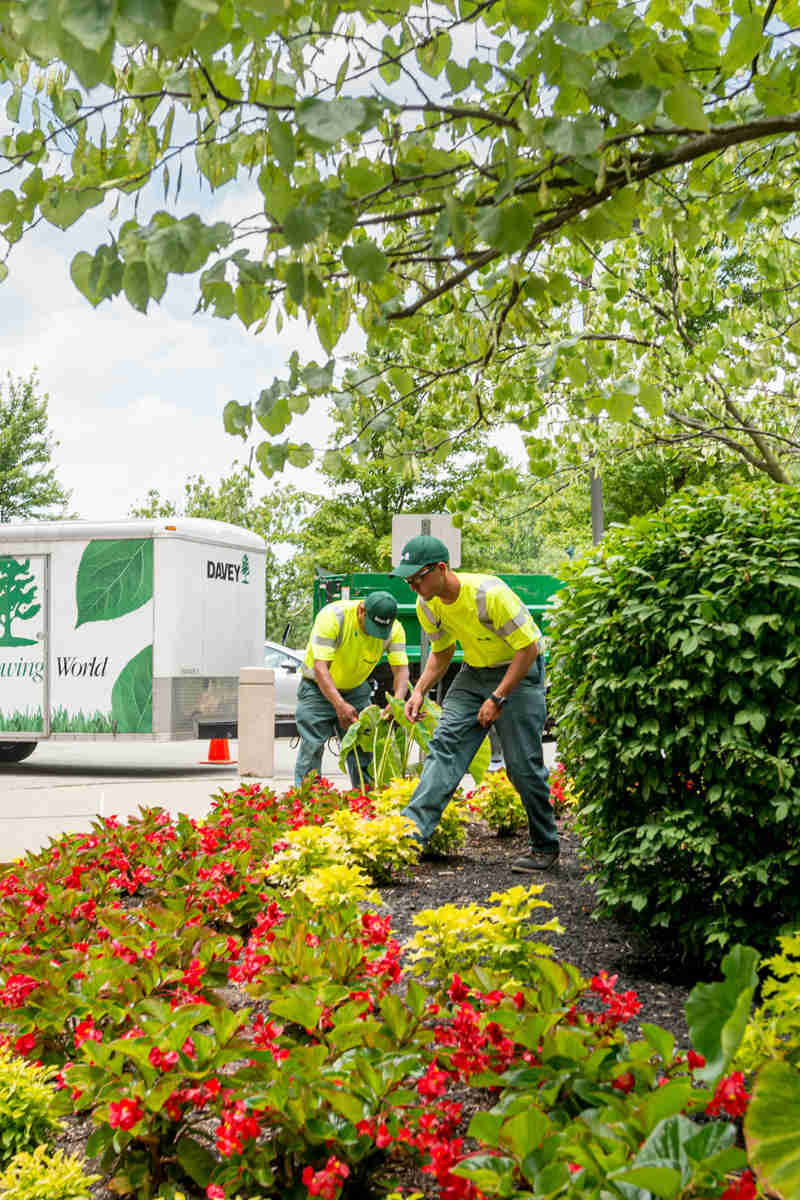
Professional Arborist for Healthcare Campuses
Decreasing overflow and lessening the amount of water that contributes to flooding Lowering the overall cost of landscape irrigation Less dependence on costly potable water for irrigation (when moving to other sources) Water does not just keep us hydrated and help plants grow. Water features can likewise supply a calming, enjoyable space for relaxation, tension decrease, and reflection.
Many communities across the country face obstacles relating to the supply and accessibility of water for these services. Using water wisely and effectively along with planning creative and restorative usages for water in the landscape will address the importance of bring back and preserving natural water supply and will produce more powerful psychological and physical connections between people, water, and regional climate.
: The infiltration and overflow of rainwater is directly affected by the quantity of resistant surface area. Driveways covered with materials such as crushed seashells or in your area sourced gravel, for example, are far more sustainable than those topped with coal tar sealants.
Implementing Modern Sensor Tech for Commercial Resilience
In developed locations, however, much of the land has actually been paved over, and the soil itself is frequently compressed and resistant. Rain streams from our roofing systems into rain gutters and downspouts, over compressed yards and driveways, onto roadways, and down storm drains pipes choosing up toxins the whole time the method. Scientists have actually found overflow from industrialized land to be the leading cause of water pollution in metropolitan areas.
Excess nutrients from overuse of fertilizer can trigger algal flowers when fertilizer runs off as part of stormwater. When algae die and decompose, they minimize oxygen levels, making it difficult for fish and other water life to survive. Insecticides and herbicides present in stormwater from overflow can toxin water life, while land animals and people can become ill from eating polluted fish and shellfish or drinking pesticide-contaminated water.
Excess fertilizer spread on driveways, pathways, streets or other invulnerable surfaces must be collected and effectively disposed of before it has an opportunity to contaminate stormwater. Animal waste adds to water contamination and need to be dealt with properly. Poop consists of germs and other matter that pollutes our waterways and can damage human health.
Meeting California Water Requirements for Public Land
Rock salt can leach into soil, altering its chemical structure. It is hazardous to sensitive plants and can toxin fish and marine organisms after flowing into regional waterways as part of stormwater runoff.
Magnesium chloride is more secure to use near plants than rock salt (but less reliable in extremely cold conditions). Vehicles deposit toxins such as oil and gas, along with particles from brake linings, tires, and engines onto paved surfaces. These contaminants are cleaned off by rainfall and transported into storm sewage systems, often ending up in local waterways.

Latest Posts

How Smart Canopy Management Protects Commercial Assets

Rapid Tree Care Services Across Southern California

Smart Vs. Traditional Irrigation for Large Sites